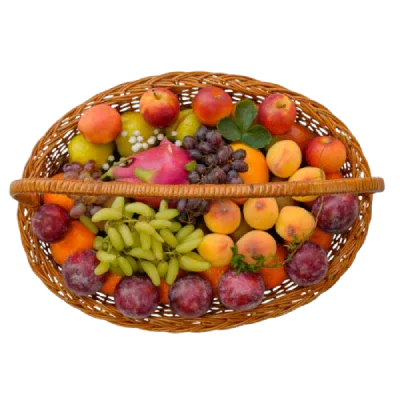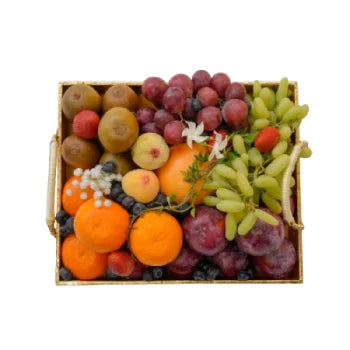


Plant-based eating in 2026 is no longer about trends or strict food labels. It has matured into a practical, everyday way of eating that supports long-term health without adding complexity to daily life.
Families want meals that feel nourishing and familiar. Professionals look for food that sustains focus and energy. Modern consumers value transparency, freshness, and balance. This shift has reshaped what plant-based meals look like today.
Why Plant-Based Meals Are More Relevant in 2026
Food conversations in 2026 are centered on prevention rather than correction. Gut health, inflammation control, metabolic balance, and mental clarity are priorities much earlier in life.
Plant-based meals support these goals naturally because they are rich in fibre, antioxidants, and essential micronutrients. At the same time, consumers are becoming selective. Highly processed plant products are losing trust, while meals built around fruits, vegetables, grains, and legumes are gaining confidence.
2026 Shift in Eating Habits
Prevention-first nutrition
Less ultra-processed food
More real fruits and whole foods
What Defines a Balanced Plant-Based Meal Today?
In 2026, fruits are no longer treated as side items or desserts. Nutrition professionals emphasize strategic fruit inclusion as part of complete meals.
Avocado contributes healthy fats that improve satiety and nutrient absorption. Fresh mango adds natural sweetness along with vitamin A and digestive enzymes. Kiwi offers fibre, vitamin C, and gut-supportive compounds.
A balanced plant-based meal combines complex carbohydrates, plant protein, healthy fats, and whole fruits and vegetables.
Benefits of Fruit-Centered Plant-Based Meals
Improved digestion and gut health
Fruits like kiwi, mango, apples, berries, and papaya add diverse fibre that feeds beneficial gut bacteria while supporting hydration and digestion.
Sustained energy for daily life
Pairing fruits with healthy fats helps prevent blood sugar spikes. Adding avocado to grain bowls or mango with nuts supports steady energy without crashes.
Better nutrient absorption
Fat-soluble vitamins from vegetables are absorbed more efficiently when meals include natural fats like avocado or nuts.
Practical Tips for Building Plant-Based Meals at Home
Keep It Simple
One grain, one plant protein, two vegetables, and one fruit component.
Start with fruits you already enjoy. Many households regularly buy kiwi online or keep fresh mango stocked seasonally. Build meals around familiar foods and expand gradually.
Fruits don’t need to stay limited to breakfast. Mango works in grain salads, avocado enhances savoury bowls, and kiwi pairs well with seeds and dairy-free yogurt.
Real-World Use Cases in 2026
For working professionals
Lunches built with grains, legumes, vegetables, and fruits help avoid afternoon fatigue. A quinoa bowl with roasted vegetables and avocado provides steady energy without heaviness.
For families
Fruits make plant-based meals approachable for children. Familiar flavours reduce resistance and build comfort over time.
For aging adults
Softer plant foods, ripe fruits, soups, and stewed preparations support digestion while delivering essential nutrients.
Seasonal and Lifestyle Fit
Plant-based meals adapt naturally to seasons. Summer favours lighter meals with fresh mango, greens, and grains. Cooler months call for lentils, root vegetables, and cooked fruits.
This seasonal flexibility is why plant-based eating remains sustainable long-term.
Final Thoughts
Plant-based meals in 2026 are grounded, flexible, and fruit-forward. They support energy, digestion, and long-term health without demanding perfection or restriction.
When meals are built around real fruits and whole foods, plant-based eating becomes less of a trend and more of a natural lifestyle rhythm. This is the philosophy we continue to follow at frootree.com, where everyday nutrition is shaped around freshness, simplicity, and seasonal balance.